
Specsavers is a rare creature in the business world. It sits squarely at the intersection where medical eye care meets retail fashion, health funding and digital customer experiences. With a purpose to change lives through better sight and hearing, Specsavers places human clinical care at the heart of its business, using technology and data to enrich, rather than replace, the in-store patient experience.
Specsavers, a global optical health provider, was founded in 1984 in the UK by Doug and Dame Mary Perkins. It entered the Australian market in 2008. It has grown to 400 locations across the country.
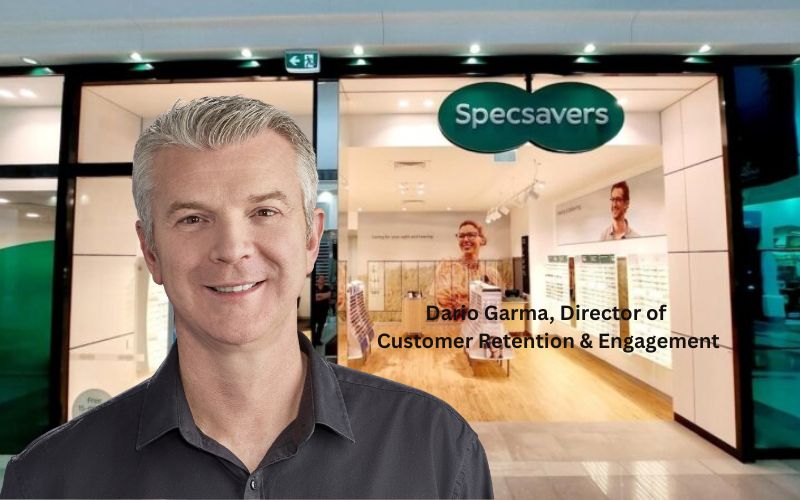
For Specsavers’ Director of Customer Retention & Engagement, Dario Garma whose team spans CRM, digital experience, e-commerce, customer analytics & insights, and strategic partnerships, the primary mission is simple, “To help customers and patients maintain their eye and ear health by making it easy to engage with Specsavers at every stage of their journey. We are responsible for generating customer insights, delivering relevant and helpful communications, enhancing digital experiences such as online appointment booking, optimising e-commerce experiences, and building partnerships that add value for our customers and patients”.
Dario will be delivering a presentation on ‘The Next Era of Omnichannel – Personalisation, AI, and Human Connection Across Channels for Seamless Experience’ at the upcoming CX Retreat in the Mornington Peninsula organised by Ashton Media
“Ultimately”, Garma adds, “our goal is to create seamless, personalised experiences that allow customers and patients to access the care they need when they need it. We know regular eye and hearing care can have a meaningful impact on quality of life, so making that care accessible, affordable and easy to engage with is central to our purpose”.
The digital journey
Most patient journeys begin digitally, whether booking an appointment, researching health conditions, or browsing eyewear collections. “Digital channels help make the customer journey easier and more convenient, while our in-store teams provide the professional expertise, personalised advice and human connection that people value when making decisions about their eye and hearing health”, adds Garma.
The goal of the digital ecosystem is to create a smoother experience and prepare patients so they arrive in store, informed and comfortable. However, clinical expertise remains irreplaceable. Technology sets the stage, but optometrists, audiology professionals, and store teams provide the vital human connection, tailored advice, and clinical outcomes that customers value.
Balancing health communications and retail goals
Navigating a business model that merges clinical healthcare, optical dispensing, health fund claiming, and retail fashion requires a careful approach to customer trust. Garma comments, “Trust is fundamental, particularly when communicating about health. For that reason, we treat clinical communications differently from marketing communications. Our testing consistently shows that customers and patients respond best when the purpose of a communication is clear and focused. A clinical reminder should remain centred on health and care, without unnecessary complexity”.
Personalisation at Specsavers focuses heavily on intent and context, separating health communications from marketing. “Personalisation is not just about tailoring content; it’s also about understanding context. Customers and patients are increasingly sophisticated and often understand the broader retail environment around them. Our approach is to ensure our health communications remain clear, credible and respectful, while allowing our marketing messages to serve a different purpose”.
“We’re ultimately a healthcare-led business. Our responsibility is to help customers and patients look after their eyes and hearing health, and trust is earned when those communications are relevant, respectful and genuinely useful”.
By maintaining clear boundaries, Specsavers ensures health messages retain their integrity while marketing remains useful and timely.
Personalised experiences
Effective personalisation extends beyond isolated data points to encompass a clear understanding of customer intent. True engagement relies on delivering relevant messaging through the most appropriate channel precisely when it is needed.
“While demographic and purchase data remain important, one of the most valuable signals for us is a customer’s clinical due date, which helps ensure customers and patients receive timely reminders about their eye or hearing care needs”, says Garma.
“We also look at behavioural patterns and customer preferences to better understand how customers and patients engage with the brand. These insights help us deliver more relevant experiences while respecting customer needs and communication preferences”.
Empowering local partners and measuring success
Specsavers operates through a joint-venture model, combining national support with locally owned and operated partners who deeply understand their communities. The support office works alongside these partners, utilisng regular face-to-face engagement and transparent communication to share insights, technology, and operational strategy.

Garma explains, “Our local joint-venture partners are fundamental to what makes Specsavers successful. They bring deep expertise, strong community connections and a genuine understanding of their local customers and patients. The role of our support office is exactly that, to support our store partners through marketing, technology, finance, clinical services, customer insights and operational expertise”.
Maintaining alignment requires ongoing communication, transparency and collaboration. “Alongside our digital communication channels, our leadership team regularly meets face-to-face with partners to share strategy, performance and future priorities. Over time, this has built strong relationships founded on trust and a shared commitment to delivering exceptional customer care”.
This collaborative focus translates directly into how success is measured. While Specsavers monitors a broad range of operational and customer experience metrics, the primary focus is on indicators that reflect accessibility, continuity of care and and overall customer experience, including feedback measures such as Net Promoter Score (NPS). When patients receive high-quality care and find services easy to access, business performance naturally follows.
AI and predictive analytics
Specsavers approaches emerging technologies with a healthcare-first mindset. AI capabilities are explored to see if they can help streamline operations, enhance internal processes, and support administrative workflows within strict regulatory frameworks. “Like many organisations, we’re carefully evaluating where AI can deliver the most value while maintaining the trust that customers and patients place in us. As a healthcare provider, we operate within clear clinical and regulatory frameworks, and those responsibilities always guide our decision-making. To date, many of the benefits we’ve seen from AI have been behind the scenes, improving efficiency, supporting teams and enhancing internal processes”.
Meanwhile, predictive analytics helps the team better understand customer needs and behaviours, particularly where barriers may prevent people from accessing recommended eye and hearing care. “By identifying when customers and patients may benefit from reminders or additional support, we can make engagement easier, more relevant and timely. These insights help us improve customer experience and support continuity of care.”
Analysing large, diverse datasets allows organisations to uncover patterns at scale and share insights to continuously improve both online and in-store customer experiences. “While demographic and purchase data remain important, one of the most valuable signals for us is a customer’s clinical due date, which helps ensure customers and patients receive timely reminders about their eye or hearing care needs. We also look at behavioural patterns and customer preferences to better understand how customers and patients engage with the brand. These insights help us deliver more relevant experiences while respecting customer needs and communication preferences”.
Because healthcare remains deeply personal, technology should support professional advice and preserve customer trust at critical touchpoints. “We’re also working closely with our technology partners to understand how AI-enabled capabilities can help create better customer experiences. The key is ensuring technology enhances human expertise rather than replacing it, particularly in areas where trust and professional advice are critical. Healthcare remains fundamentally human”, says Garma.
The omnichannel future
Over the next three to five years, true omnichannel care at Specsavers will focus on giving patients greater control over their health journey. Garma comments, “In the future, customers and patients will expect greater control over how they engage with brands, whether that’s accessing appointment information, viewing elements of their clinical history, managing bookings or shopping online. While digital experiences will
continue to grow, we believe professional clinical care and human expertise will remain central to the customer journey”.