
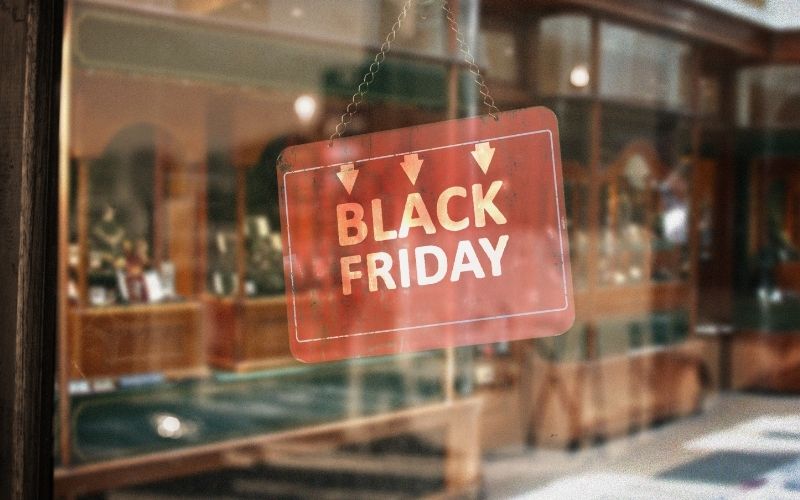
Australian shoppers are planning to spend more this Black Friday Cyber Monday (BFCM) weekend, but economic pressure is making them more discerning about what they spend their money on, according to Shopify’s 2026 Holiday Retail Report.
Australians plan to spend an average of A324 in 2025, bucking the global trend where planned spending has edged down from US186.
But higher spending doesn’t mean Australians are throwing caution to the wind. More than half (54%) say economic conditions have negatively affected their holiday shopping plans, prompting shoppers to think harder about where their money goes.
That is translating into a more considered approach to shopping. 85% of Australian shoppers would rather wait and buy the right product than settle for the easiest available option, above the global average of 79% and highlighting how carefully Australians are considering where to spend their money this year. For retailers, the opportunity this holiday season isn’t simply to offer the deepest discount, but to demonstrate why their products are worth choosing.

“Australians are still willing to spend this holiday season, but they’re putting more work into deciding what’s worth their money,” said James Johnson, Head of Enterprise ANZ at Shopify. “They’re researching, weighing up more options and increasingly using AI to help them find products that fit what they’re looking for.
“For retailers, that raises the bar. This BFCM isn’t just about offering the deepest discount; it’s about making your products easy to discover, clear to understand, and worth choosing. The businesses that get those fundamentals right can give shoppers greater confidence in what they’re buying, wherever that discovery starts.”

AI becomes part of the shopping research process
As Australians put more work into finding the right product, AI is becoming part of that process. Nearly two-thirds (62%) expect to use AI for at least one holiday shopping task, from finding deals to discovering products and inspiration.
Younger Australians are leading the shift. Seven in ten (70%) 25–34-year-olds use AI at least occasionally when shopping, compared with 45% of Australian shoppers overall.
While shoppers are increasingly comfortable letting AI build their cart (41%), many still want to maintain control, as just 29% trust AI to make a purchase on their behalf.

“This peak season will be an important test of how AI fits into the way Australians shop,” said Fleur Brown, Chief Industry Engagement Officer at the Australian Retail Council. “As more shoppers use these tools to compare products, discover new options and look for better value, trust will be critical. Retailers have an opportunity to use AI to make shopping easier and more relevant, but the fundamentals don’t change; customers still need to feel confident that they’re getting genuine value and making the right choice.”
Retailers are investing in areas including AI-generated content (51%), virtual assistants (46%) and making their stores easier for AI tools to understand and recommend (45%).
For Princess Polly, that preparation starts with getting the fundamentals right.
“We’re seeing shoppers plan earlier every year. Our customers build their wishlists well in advance so they’re ready the moment offers go live,” said Destiny Flaherty, Head of SEO at Princess Polly. “To capture attention, we’re focused on getting the fundamentals right: competitive offers, clear and simple messaging, and a product selection that reflects what our customer actually wants to wear this season.

“In terms of AI, search is moving from keywords to conversations, so we’ve built a dedicated AEO (answer engine optimisation) roadmap around that shift. It starts with our product data. Our customers expect the latest styles that genuinely match what they’re looking for, so we’re making sure every product carries the rich, accurate attributes and descriptions AI platforms need to surface it in the right context.”
Value is about what’s worth it, not simply what’s cheapest
Economic pressure is also reshaping what Australians mean by value.
More than half (57%) define good value as getting higher quality than expected for the price, suggesting shoppers are weighing what they get for their money rather than simply seeking the lowest price.
That consideration is extending into the online cart. Almost a quarter (24%) of Australians put products in their cart and wait for the price to drop, effectively turning the cart into a watchlist as they wait for the right moment to buy.
For retailers, that creates a balancing act: price still matters, particularly during a promotional period like BFCM, but it is only one part of the value equation. Product quality, relevance and giving shoppers enough information to make a confident decision all have a role to play.
AI could widen the path to discovery for independent brands
Australians aren’t only changing how they shop. They’re also increasingly open to who they shop with.
More than half (54%) say they’re choosing independent or niche brands more often than last year, pointing to an opportunity for smaller businesses to compete for shoppers who are prepared to look beyond familiar names.
The relationship is particularly pronounced among frequent AI shoppers. Four in five (80%) Australians who almost always use AI when shopping say they’re choosing independent or niche brands more often, compared with 40% of Australians who don’t use AI when shopping.
While the findings do not establish that AI is causing that shift, they suggest frequent AI users are particularly open to discovering brands outside the mainstream. Already, 15% of Australians say AI has helped them discover a brand they hadn’t heard of before.
For Australian retailers, the opportunity this holiday season is clear: shoppers are still willing to spend, but they’re making their money work harder. As consumers research more, assess value more carefully and increasingly use AI to navigate their options, retailers have more ways to be discovered, but also a higher bar to clear.
This BFCM, earning the sale will be about more than having the biggest discount. It will mean making products easy to discover, easy to understand and worth choosing.