A new Voice of Customer platform is helping Melbourne Park understand every guest more clearly and turn feedback into practical improvements for the next event.
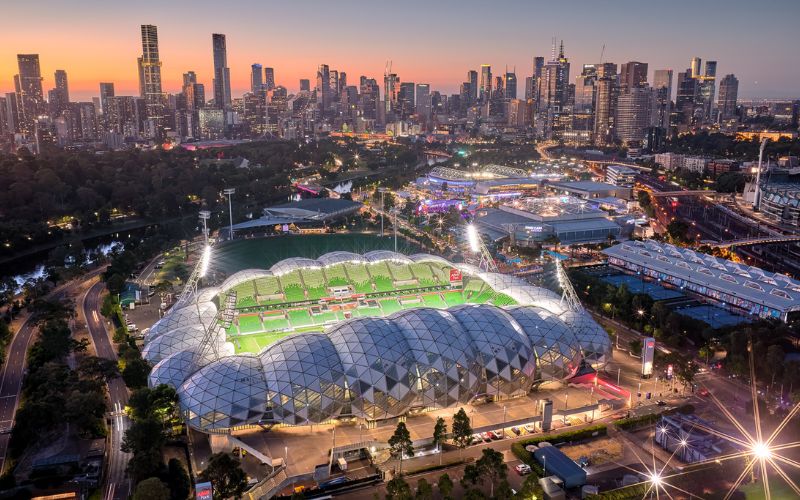
Across six venues, more than 500 events and close to four million guests each year, no two days at Melbourne Park look the same. The precinct can host a major concert, elite sport, family entertainment, hospitality and conferences at the same time. Understanding what each audience needs, and responding quickly, is a significant operational challenge.
Katrina will be delivering a presentation on ‘Diversifying your listening channels – what does a smarter, connected VoC program really look like?’ at the upcoming CX Retreat in the Mornington Peninsula organised by Ashton Media
At the centre of that work is Katrina Haby, Melbourne Park’s Director of Customer Experience. Reporting to the Chief Operating Officer, the position is a broad executive role that reflects the importance Melbourne Park places on understanding and improving the guest experience. Haby leads the Customer Experience Strategy, the Voice of Customer program and key improvement initiatives across the precinct.

Customer experience at Melbourne Park is shaped across Operations, Marketing, Digital, Communications, ticketing and the many teams and partners that deliver an event. Haby’s particular strength is connecting that work and turning what guests say into practical intelligence that teams across the organisation can use.
Experience built across major events and people
Haby brings more than two decades of experience at Melbourne Park, spanning event operations, strategy, technology implementations, and people and culture. Before joining the precinct, her career included film, marketing and major live events, including the Sydney Olympic ceremonies and the Manchester Commonwealth Games.
“With over two decades at Melbourne Park, I have moved from event operations through to strategy, technology implementations, and people and culture. Before joining the precinct, my career spanned film, marketing, and major live events, including the Sydney Olympic ceremonies and the Manchester Commonwealth Games,” says Haby.
“Guest experience is an organisation-wide responsibility. There is not a single role across Melbourne Park that does not directly contribute to it.”
That focus on people is central to Haby’s broader leadership. She leads Melbourne Park’s Disability and Inclusion Plan and is a highly visible ambassador and champion for its people. Her work brings accessibility, inclusion and lived experience into everyday decisions, organisational planning and the way teams support one another and their guests.
From customer strategy to action
The Voice of Customer program was the first delivery objective in Melbourne Park’s Customer Experience Strategy. It established the system needed to listen at scale, understand what matters to different audiences and give teams timely evidence for improvement. The upgraded program replaced basic survey tools and slow, manual analysis with a connected platform that brings different sources of feedback together.
Using PG Forsta, now part of Qualtrics, the system captures post-event survey responses, in-venue QR feedback, intercept surveys and Google reviews. It gives Melbourne Park a much richer view of the experience across different events, venues and guest groups.
“On any given weekend, our audiences can be completely different,” says Haby. “We could have a multi-generational Indian music concert in one arena, a K-pop show in another, plus netball and Disney on Ice. By Monday morning, there can be thousands of comments and ideas to work through. The platform helps us understand what guests are experiencing and identify where we can improve.”
Automated text analytics groups long-form feedback into themes, pain points and positive callouts. Tailored dashboards then give delivery partners, including catering, traffic management, ticketing and venue management, a view of the information most relevant to their work. Historical event data also allows teams to compare performance across event types and identify recurring patterns.
“Our operational teams might finish at midnight and the survey goes out the next morning,” Haby says. “Within 30 minutes of receiving the data, teams can be implementing operational changes for the very next show.”
Keeping the human story in the data
The technology makes large volumes of feedback manageable, but Haby is careful not to reduce the guest experience to a score. Customer satisfaction results show the overall pattern; individual comments explain what happened and why it mattered.
“Even if a survey comes back with a 9.4 out of 10 and no detractors, I will still look closely at the comments,” says Haby. “I want to understand what went brilliantly, where we fell short and which team members should be recognised for delivering a great experience.”
That feedback is brought into weekly Executive Leadership discussions, often within 12 hours of an event finishing. Kat’s presence at the executive table ensures the customer voice is consistently heard and valued. It gives leaders a direct view of what guests experienced and helps teams decide where immediate attention, longer-term planning or future investment is required.
The value is particularly clear in accessibility and inclusion. Feedback from families and guests with sensory needs contributed to Melbourne Park opening four sensory rooms across the precinct and expanding staff training on hidden disabilities.
“When a family tells us they did not think attending an event would be possible, then discovers there is a sensory room their child can use, that is incredibly powerful,” says Haby. “Those stories show us where change is making a real difference and help us build the case for what should come next.”
Technology in service of the guest
The same listening capability supports more targeted research. Melbourne Park has used short video interviews to follow customer journeys from planning at home through to leaving the venue, giving operational teams a clearer view of friction points. In-venue intercept surveys and post-event analysis have also tested innovations such as Amazon grab-and-go retail outlets.
The next phase will continue to strengthen the connection between feedback, operational data and event planning. For Haby, the goal is straightforward: give teams timely, reliable insight so they can make better decisions for each event and each guest.
The result is a stronger organisation-wide feedback loop: listen to guests, understand the drivers of their experience and give teams the information they need to improve the next event.