
Over the years the fan experience has become increasingly sophisticated, where sporting and entertainment organisations, venues, hospitality providers, as well as retailers are using technology to provide data driven and personalised fan experiences.
From high-density Wi-Fi networks across iconic venues like the MCG and Optus Stadium to hyper-personalised mobile applications, digital innovation has shifted spectatorship from a passive pastime into an active, data-driven experience.

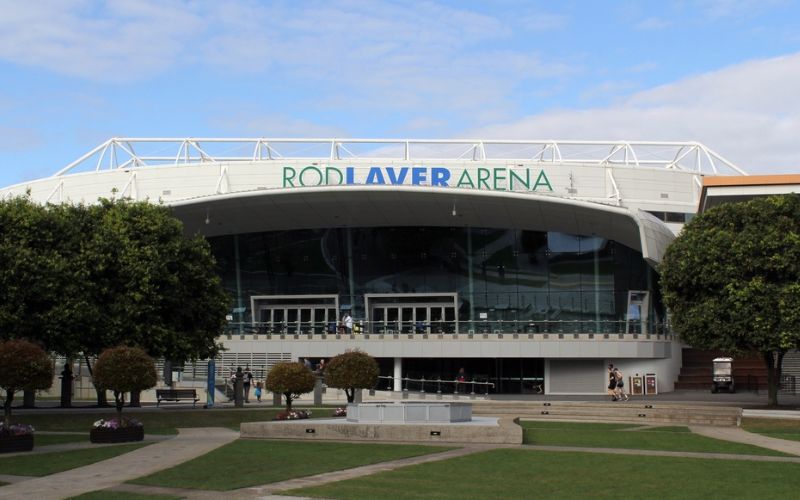
Speaking at an NFL launch event, recently held in Melbourne at Rod Laver Arena, Duncan Egan, Vice President of Enterprise Marketing, APAC and Japan at Adobe, highlighted how global brands like the NFL, alongside domestic organisations like the AFL and NRL, are reimagining fan engagement through data-driven personalised experiences.
He says, “We are seeing this through our work with the NFL across digital channels, content, and live events. We’re seeing this exact same shift with other sporting organisations globally, including the Premier League, Major League Baseball, and the PGA Tour. While these sports and their audiences differ, they share a common focus – creating more relevant, individual relationships with fans”.
To build personalised experiences, organisations must start with robust data, leveraging insights to understand consumer behaviour before, during, and after game day or performance events.
The fan experience journey
The fan journey starts at the very first interaction, whether that is purchasing a ticket or subscribing to a newsletter or responding to a promotion. This initial interaction captures critical data, including basic demographics, geographic location, and specific team affinities.
Early touchpoints can convert interactions into rich zero and first party data profiles. As interactions increase across ticketing, retail, and digital channels, brands continuously refine these fan preferences. Ultimately, aggregating these behavioural metrics allows brands to transition from generic mass outreach to targeted, hyper-personalised experiences.
Imagine Sarah, a lifelong supporter of the AFL and her club. She buys two tickets through her club’s official app, marking her first matchday attendance. When Sarah arrives at the stadium, sensors at gate turnstiles scan her digital ticket, automatically sending a welcome prompt to her phone.
As quarter or half-time approaches, heat mapping software monitors concession queue lengths across the concourse. The app alerts Sarah that her section’s nearest bar has a 12-minute wait, offering a 10% discount if she pre-orders snacks or drinks from a less crowded express bar one floor down.
Post event surveys and feedback can connect with operational data, collected before and during an event, to highlight friction points and opportunities to improve Sarah’s experience. If Sarah reports on her post-event survey that a specific event was “stressful to attend” or rates venue navigation poorly, isolated survey data only reveals her frustration, not the cause. Merging this feedback with operational metrics reveals the root issue.
Data-driven fan engagement
By capturing behavioural metrics, transactional history, and real-time event analytics, organisations can shift broadcast style outreach to highly customised fan interactions.
Transitioning from broadcast-style outreach to hyper-personalised fan interactions requires moving away from static segmentations like age or postal code and leaning into a continuous data feedback loop. When sports properties and media brands unite behavioural metrics, transactional history, and real-time event analytics, they create a comprehensive single fan profile capable of driving contextually relevant experiences at every stage of the fan journey.

Carly Lynch, Principal Strategist, Retail, Media & Travel, Digital Strategy Group, APAC for Adobe, highlights, “The brands that win will not simply advertise around fandom, they will be the ones that make themselves discoverable, useful, and participatory long before, during, and after the final whistle.”
Consider how a retail bank or superannuation brand may apply this philosophy during the AFL or NRL finals season to shift from passive sponsor to essential matchday companion. Instead of relying solely on generic TV commercials during pre-game shows, the brand launches an AI-powered “Finals Budget Calculator” within their app and via natural-language search tools. Fans asking their AI assistant how to budget for a trip to the Grand Final discover the tool organically. It helps them track ticket prices, interstate flights, accommodation, and venue spend, offering customised savings goals and micro-investing options tailored to their club’s remaining fixture list.
The economic impact of Australian fandom
Lynch notes that sport holds a sacred place in the Australian identity. Beyond sheer entertainment, sports shape local communities and command massive consumer attention. She says, “For many Australians, supporting the team is not simply entertainment, but part of our identity. Football final season creates the moments, brings communities together, and captures our attention at scale.”
Despite broader cost-of-living pressures, Australians continue to prioritise the sporting moments that matter to them:
- High participation: Nearly four in five Australians plan to make finals-related purchases.
- Significant spend: Around one in five fans expect to spend over $500 during the finals period.
- Category growth: Major events drive distinct spending patterns. Ahead of the NFL’s presence in Melbourne, forecasts showed a projected 27% increase in streaming device purchases, alongside a 16% surge in watch-party staples like corn chips and dip.
“People are prioritising the moments that matter most to them despite day-to-day cost of living pressures. Football finals aren’t just a cultural moment, they’re a major economic moment”, says Lynch.
The NFL’s Australian footprint & next-gen fans
Australia represents a prime growth market for international codes. While the AFL leads nationally and roughly half the population follows the NRL, Australians increasingly support multiple codes simultaneously. A significant number of Australians already follow the NFL, and plenty of non-followers tuned into the Melbourne game between the 49ers vs the Rams.
Crucially, prospective NFL fans skew younger than traditional AFL and NRL audiences. These next-generation supporters are digitally native, active users of AI, and more willing to increase their entertainment spending. Lynch comments, “”Younger audiences are not just wanting to watch the game, they’re creating, sharing, and actively participating in the experience. Australian fans rank third globally in creating content around the NFL.”
This digital-first commitment is already reflected in online behaviour, traffic to official NFL sites surged 300% year-on-year leading up to the Melbourne event, with forecasts anticipating a 400% peak above August levels around game day. For brands and sporting bodies alike, harnessing these digital signals provides an unparalleled opportunity to turn cultural passion into lasting growth.
Technology is redefining the fan experience from a static past-time into a rich, interactive ecosystem. By stitching together data across every touchpoint, brands can meet fans precisely where they are, whether in the stands at the MCG or streaming from home. The organisations that thrive will be those that use intelligent insights not just to advertise around major sporting moments, but to build useful, participatory, and personalised experiences.